
First Aid Basics: Guide for Everyone
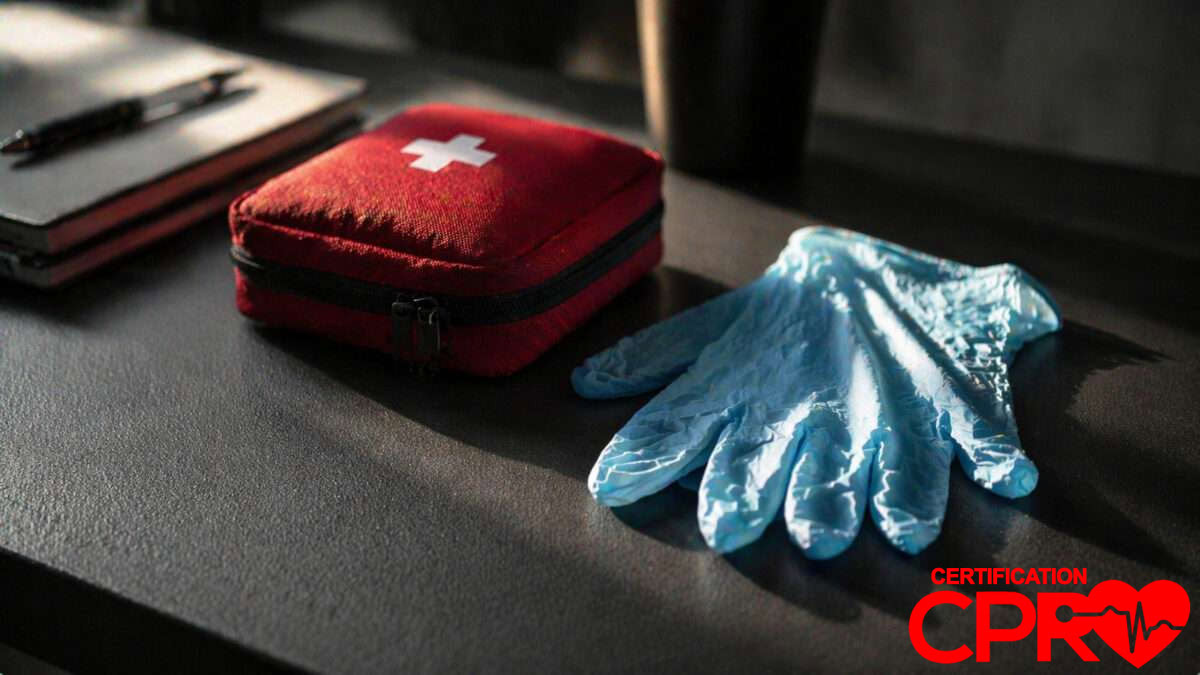
First aid is what happens in the gap between “something just happened” and “professional help is here.” That gap may only be a few minutes, but those minutes can decide whether a situation stays manageable or starts getting worse. The purpose is simple: protect life, prevent the problem from getting worse, and buy time until higher care arrives. In practice, that may mean helping at home, at work, on a sports field, in a church, in a hotel lobby, or in a parking lot before EMS gets there.
First aid is not a substitute for 911 or professional medical care. It fills the gap between the moment something happens and the moment trained responders take over. Sometimes that gap ends with a bandage and a follow-up plan. Sometimes it ends with an ambulance and a serious handoff. Knowing the difference before the pressure is on is what gives first aid its value.
First aid in Las Vegas often starts in places built for movement: hotel corridors, school fields, convention halls, airport work areas, trailheads, kitchens, and neighborhood gyms. The helper nearby needs a sequence that works before a supervisor, clinician, or EMS crew reaches the person.
What Is First Aid?
First aid is immediate care for a sudden injury or medical problem before a doctor, nurse, paramedic, or emergency department takes over. It includes actions as simple as applying direct pressure to a cut, cooling a burn under running water, helping someone use an epinephrine auto-injector, or starting CPR when a situation has crossed that line. None of those actions require a medical license. They require knowing what to do and being willing to do it.
Upcoming CPR Class Dates and Times
First aid does not replace medical care, and part of knowing it well is understanding where its limits are. A controlled nosebleed handled with pinching and patience is a first aid situation. A person who is unresponsive and not breathing normally is in a 911 situation immediately, with CPR running until EMS arrives. The strongest general training path that covers both ends of that range is a hands-on AHA BLS CPR class, with CPR and First Aid adding the broader injury and illness response on top. That combination holds up far better during an emergency than scattered information recalled under stress.
Essential First Aid Skills Everyone Should Know
The most practically useful first aid skills are the ones that come up in everyday emergencies, not the exotic ones. Knowing how to call 911 and give clear information about the location and nature of the problem is the most fundamental skill of all, and it gets undermined by panic more often than people expect. Beyond that, the most useful abilities are: recognizing when someone is responsive and breathing versus when they are not; controlling serious bleeding with direct pressure; cooling and covering a burn safely; identifying the signs of severe choking and anaphylaxis; and starting CPR and operating an AED when someone has stopped breathing normally. None of these are advanced medical skills. They are the basic structure for being useful in the most common emergencies people actually encounter.
First Aid for Common Emergencies
Burns
For a minor thermal burn, cool the affected area under cool running water for 10 to 20 minutes. Not ice, not butter, and not any home remedy that someone once said helps. Those make things worse by either damaging tissue further or trapping heat. Remove rings, watches, or tight items before swelling starts if you can do it easily. Do not pop blisters. Cover the burn loosely with a clean, nonstick bandage or cloth. Call 911 or go to the emergency room for large burns, burns on the face, hands, feet, or genitals, or for any chemical or electrical burn. Chemical and electrical burns can look minor on the surface while causing serious damage underneath, and they need professional evaluation even when the visible injury seems manageable.
Cuts and Bleeding
Bleeding control starts with direct pressure and stays there until the bleeding stops or professional help takes over. For most minor bleeding, a clean cloth and steady, sustained pressure is all it takes. Heavy bleeding is different. It needs a faster, more urgent response. Apply direct pressure with whatever clean absorbent material is available and, if possible, raise the injured limb above heart level while maintaining that pressure. If an object is embedded in the wound, do not remove it. Apply pressure around it and wait for EMS to manage the extraction. For severe bleeding that does not stop and is threatening the person’s life, a tourniquet applied above the wound is appropriate and can be the difference between survival and not. Go to the ER for deep cuts, uncontrolled bleeding, spurting blood, or any wound that exposes underlying tissue.
Sprains
A true sprain involves stretched or torn ligaments, and in the first few hours the basic response is rest, ice, compression, and elevation. Rest the injured area and stop the activity. Apply a cold pack wrapped in cloth for 15 to 20 minutes at a time, never directly on skin. Use light compression with an elastic wrap if it does not cause numbness or make the pain worse. Raise the limb above heart level when possible. The caveat is that “probably a sprain” can cover a range of injuries, and the line between sprain and fracture is not always obvious. Major swelling, deformity, inability to bear weight, or tenderness directly over bone should all be treated as a possible fracture until imaging says otherwise.
Choking
The first question in any choking situation is whether the person can still cough or speak. If they can, the airway is at least partially open. Encourage forceful coughing and stay close. If they cannot speak, breathe, or cough effectively, the airway is severely blocked and the response cannot wait. Adults and children over one year old receive back blows and abdominal thrusts, alternating sets of five, until the object clears or the person loses consciousness. Infants under one year use back blows and chest thrusts, not abdominal thrusts, in the same alternating pattern. The full step-by-step breakdown of technique, including special situations like pregnancy and how to respond when the person becomes unresponsive, is covered in the choking first aid guide.
Allergic Reactions
A mild allergic reaction might produce itching, hives, or localized swelling that stays contained. Anaphylaxis is a different category entirely. It can involve swelling of the lips, tongue, or throat, trouble breathing, wheezing, vomiting, dizziness, or collapse, and it can progress fast enough that delay becomes dangerous. Call 911 immediately for any signs of anaphylaxis. If the person has a prescribed epinephrine auto-injector, help them use it, then lay them down unless their breathing is easier sitting upright. Be ready for symptoms to return even after the epinephrine works: anaphylaxis can rebound after initial improvement, and “they seem better now” is not a reason to skip emergency care. Getting to the hospital is still the right call.
When to Call 911
Call 911 for unresponsiveness or abnormal breathing, heavy bleeding that is not slowing down, signs of stroke or serious head injury, seizure activity, anaphylaxis or severe breathing trouble, large or electrical burns, or any situation where the person is deteriorating quickly and you cannot stabilize them. When in doubt, call. Dispatchers are trained to help you figure out what to do while EMS is moving toward you, and the cost of calling when it turns out to be minor is trivial. The cost of not calling when it was serious is not.
The ABCs of First Aid: Airway, Breathing, Circulation
Upcoming CPR Class Dates and Times
The ABCs, Airway, Breathing, Circulation, are a simple order for assessing the most immediately life-threatening problems when a situation is moving fast and adrenaline is making it hard to think in sequence. Airway means the person has an open path for air to travel. Breathing means air is actually moving in and out. Circulation means blood is still moving through the body. Checking these three things first in a serious emergency sets priorities when everything else is competing for attention.
The order matters. If the airway is blocked, nothing else gets resolved until that is addressed. If breathing has stopped, you move directly to CPR. Circulation problems, including uncontrolled bleeding and shock, come next. In practice, this means a first responder is always working through a mental hierarchy rather than reacting randomly to whichever symptom is loudest. Once a person is not breathing normally, standard first aid has given way to the CPR-and-AED side of emergency response. That side of the work benefits enormously from hands-on practice. Reading about chest compressions is not the same as performing them on a manikin at speed, and it is certainly not the same as performing them on a real person under stress.