
How to Renew CPR Certification
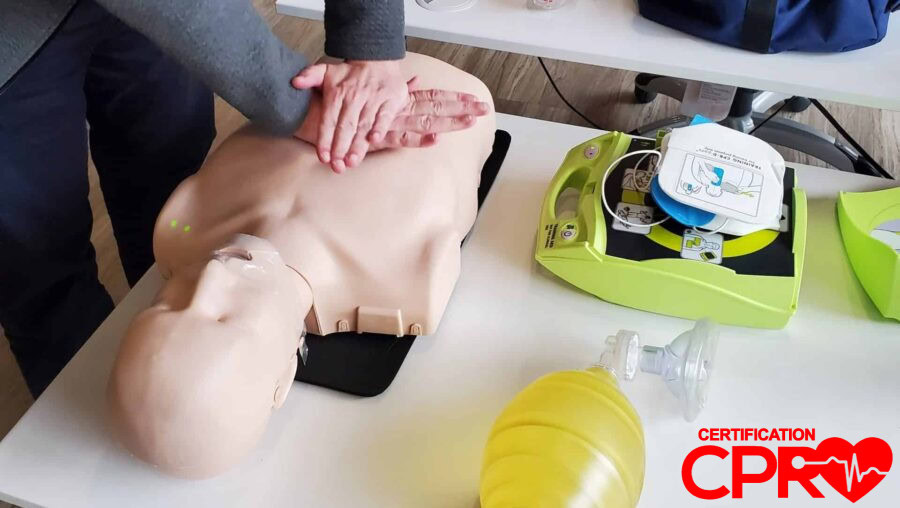
Renewing CPR is simpler than most people make it, but it still goes sideways when people treat it like a brand-new shopping trip. The job is to look at the card you already have, match the renewal path to it, and handle it before the date becomes a problem.
If your current credential is a BLS card and the timing is coming up, the clean answer is the BLS renewal class. The two biggest mistakes are waiting too long and shopping for a vague replacement course that does not match the original credential.
Renewal gets messy less because of the class than because of the paperwork around it. A hospital onboarding packet may say AHA BLS. A school checklist may say current CPR certification. A manager may say, “Just renew your CPR card.” Those phrases can sound close enough in conversation, but they do not always lead to the same booking choice.
A good renewal plan keeps the decision boring: check the card, match the course name, book before the deadline, handle the required materials, and save the new card where you can find it. The calmer you make those steps now, the less likely you are to be chasing class dates the week a job, school, or clinical site asks for proof.
Upcoming CPR Class Dates and Times
The most useful renewal habit is to treat the expiration date like a professional deadline, not a reminder you can handle whenever it becomes annoying. The card may be only one document, but the people checking it may control onboarding, clinical access, employment paperwork, or school clearance.
CPR renewal in Las Vegas is easiest before the deadline becomes urgent. A healthcare worker, teacher, coach, airport employee, or hotel supervisor has more room to choose a class date when the card is checked early instead of the week it expires.
Check the Card You Already Have
Start by confirming what card you hold and when it expires. Most renewal stress comes from working off memory instead of looking at the card itself.
If the current card is BLS, the next step is a BLS renewal, not a generic CPR search, and that clears up most of the confusion.
Look at the course name, the issuing organization, your name, and the expiration date. If the card says AHA BLS and your paperwork asks for AHA BLS, do not translate that into a broad “CPR renewal” search. Keep the course name aligned from the start.
If the card is not BLS, or if you are not sure what the card satisfies, pause before booking. A workplace CPR card, an awareness certificate, and an AHA BLS card may all involve CPR, but they are not interchangeable for every job or school requirement. The better move is to match the wording you were given instead of assuming every CPR card renews into the same thing.
Starting early enough also matters. Solving the whole problem days before a deadline adds unnecessary stress. One to two months ahead is a much better window than the last week, when class dates, work schedules, and paperwork all start piling on top of each other.
Also check the name and email tied to the card. If you changed jobs, changed email addresses, or used a nickname when you registered last time, finding the old record may take longer than expected. The more exact your card details are, the easier the renewal path becomes.
Book the Matching Renewal Class
If you already hold the right BLS card and it is still current, the BLS renewal class is the right place to start.
Renewing keeps the existing BLS credential current through the same full BLS class path. The class still needs hands-on attention because the skill fades when it is only something you remember from a card in your wallet.
Keeping the same course name avoids the confusion that comes from switching into a vaguer option just because it looks faster. If the card is already expired, some employers may allow a short grace window, but many people end up needing the full BLS class again.
An expired card does not erase the fact that you trained before, but it usually does create a practical problem. Employers, schools, and clinical sites need proof that the training is current. If your card has already expired, ask the person checking the requirement whether renewal is still acceptable or whether they want a full AHA BLS class instead.
Search results muddy the picture. The clean rule is simple: if your current credential is BLS, renew BLS. Do not make a renewal decision harder than it needs to be.
That rule also protects you from online-only shortcuts. If the requirement expects a current BLS CPR Card earned through hands-on training, a faster certificate with a similar title may not solve the problem. Renewal should preserve the credential your reviewer expects to see.
Handle the Required Materials and Show Up Ready
Renewal is the same hands-on training as the original, not a throwaway version of it. Treat it like training, not paperwork with a price tag.
Students should handle the required materials the way the class instructions call for and show up ready for the hands-on course. For CPR Certification Las Vegas, students are emailed the link to purchase the required AHA eBook directly from AHA after registration.
The eBook is not something to figure out at the door. Buy it through the AHA link after registration, keep access to it available, and read the class instructions before the day arrives. That small bit of preparation prevents the kind of check-in confusion that makes renewal feel harder than it needs to be.
Class day is still about doing the work. You are not just renewing a date on a card; you are getting your hands back on the sequence: compressions, AED use, adult/child/infant differences, and the pieces that make BLS more complete than a loose CPR label.
Handle the eBook ahead of time and class day runs much more smoothly. It is one of the easiest parts of renewal to control.
Show up ready to work through the skills, not just sit through a reminder. Renewal gives you another chance to tighten compression depth, AED timing, choking response, and age-group differences before those details fade further. That is the value beyond the new expiration date.
Finish the Class and Keep the New Date in Front of You
Once the renewal class is completed successfully, the next step is simple: keep the updated card information where it is easy to find and do not lose track of the new timing.
Successful students receive their BLS CPR Card the same day after successful completion. Once you have it, send it where it needs to go, save a copy somewhere sensible, and make sure the name on the card matches the way your employer, school, or clinical site expects to see it.
A lot of renewal stress happens because someone took the class, moved on, and never built any habit around checking the next expiration date. Two years sounds far away right up until it is not.
A quick calendar reminder is easier than a last-minute scramble two years later.
Upcoming CPR Class Dates and Times
If you are renewing for work, school, or clinical placement, do not wait for someone else to notice the date for you. Treat the expiration date like any other professional deadline. Put the reminder far enough ahead that you can choose a normal class date instead of taking whatever is left.
After class, send the new card to the person or system that needs it, save a copy for yourself, and set the next reminder before you forget. Renewal works best when it becomes a simple cycle instead of a small crisis every two years.